
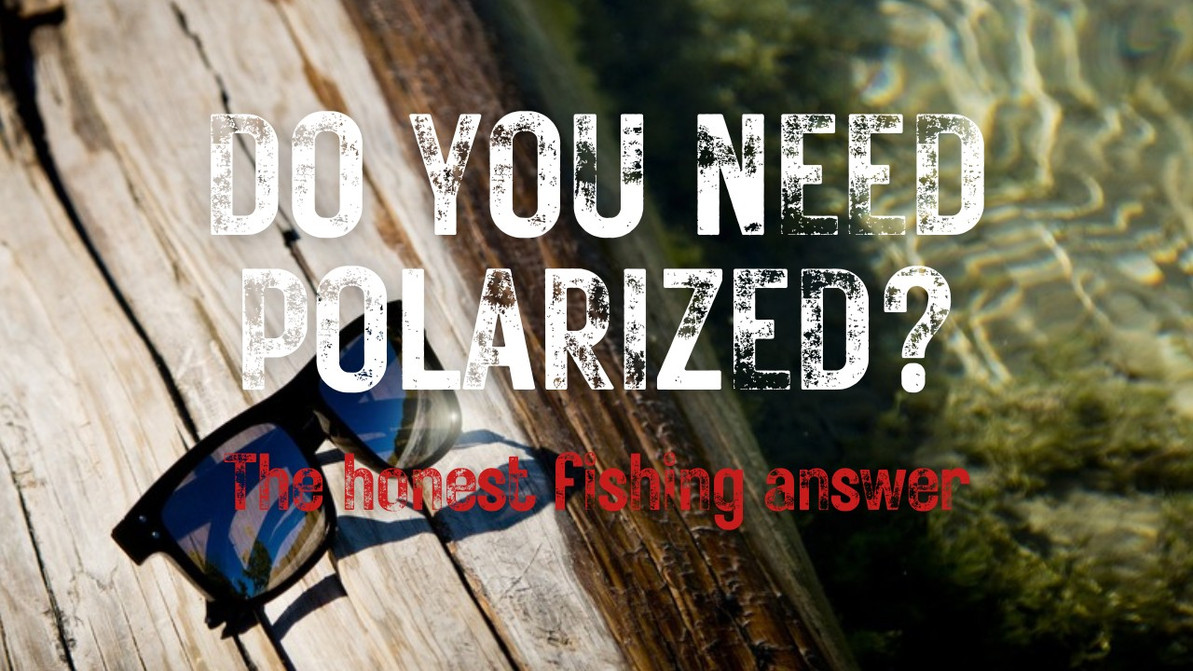
Polarized vs. Non-Polarized Sunglasses for Fishing: Which Do You Actually Need?
Here's the short answer: if you fish, polarized lenses are the one sunglasses upgrade that's actually worth paying for. Everywhere else — the ballfield, the bike, the beach — polarization is optional. On the water, it's the whole game. Here's why, and how to pick without spending $200.
What polarization actually does
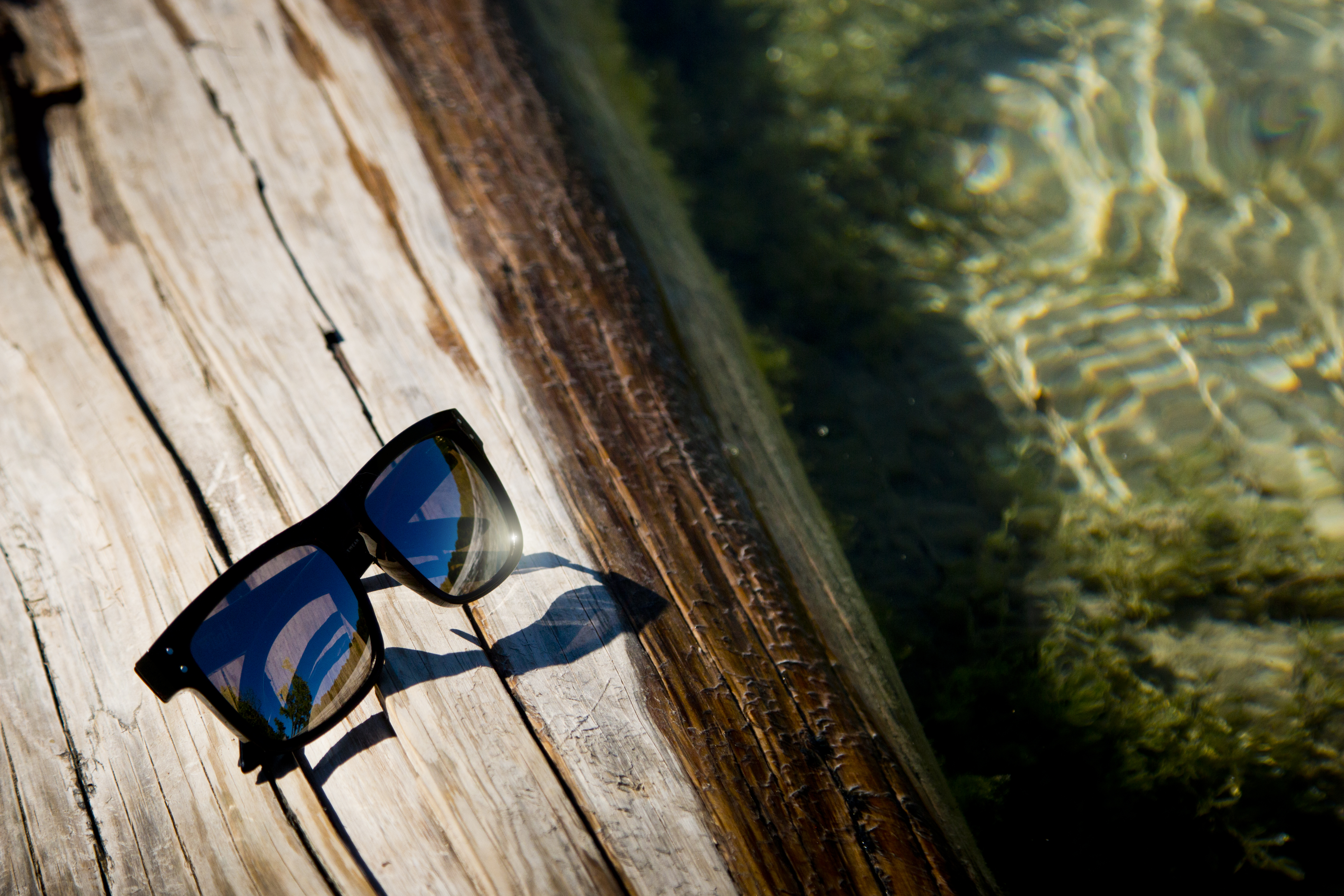
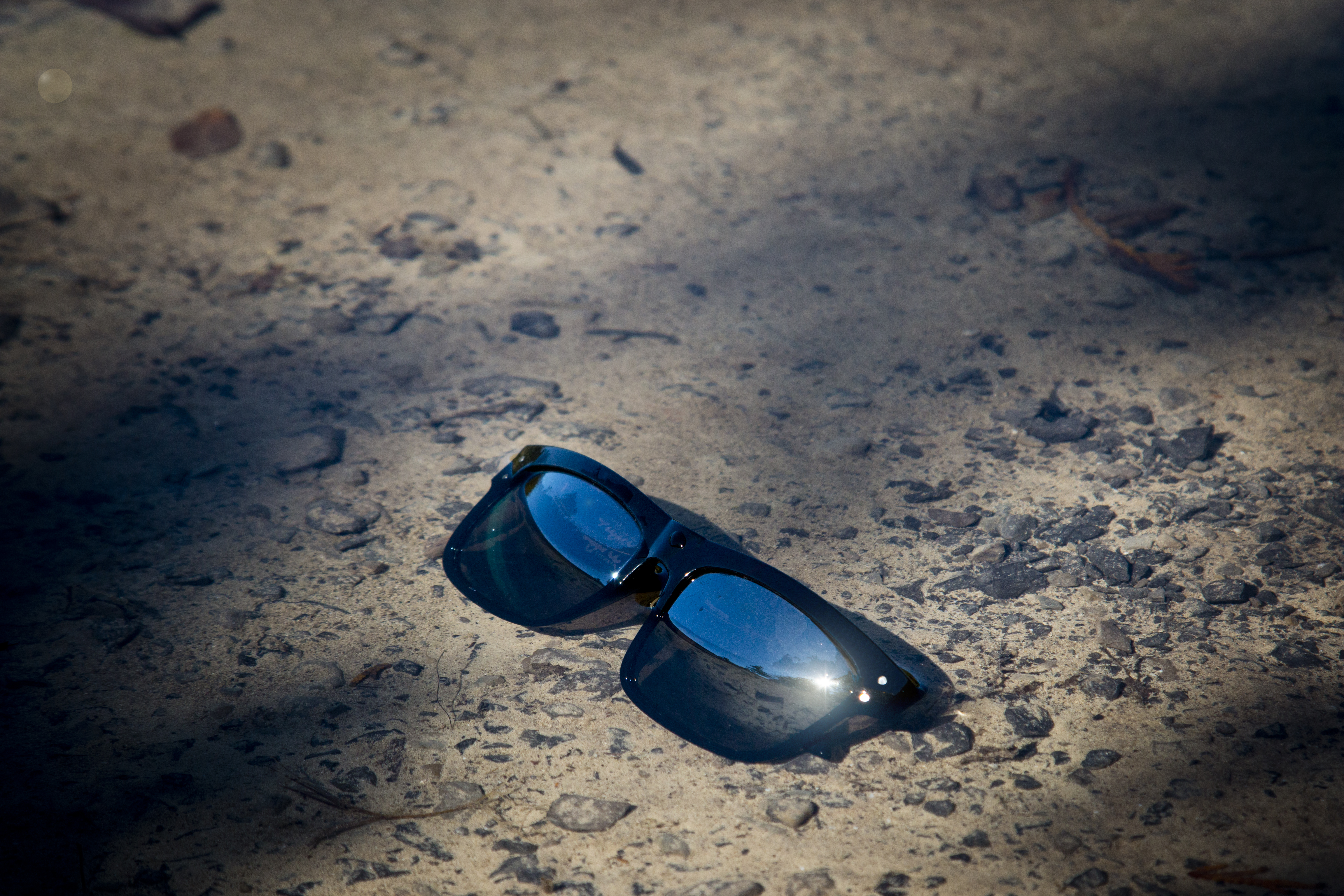
Light bouncing off a flat surface like water gets organized into horizontal glare — that white sheet of reflection that hides everything under the surface. A polarized lens has a filter that blocks light oriented that way, which kills the glare and lets you see through the surface instead of off it. That's not marketing. It's physics, and it's the difference between watching your line disappear into chrome and watching a bass follow your lure.
When polarized wins
- Sight fishing. Spotting cruising fish, beds, and follows in shallow water is basically impossible through glare. Polarized lenses are the difference between casting at fish and casting at hope.
- Reading structure. Rocks, weed lines, drop-offs, stumps — you can see them and fish them instead of snagging them.
- All-day comfort. Glare is why your eyes feel cooked after eight hours on the water. Cut it and you fish longer without the headache.
- Safety on the move. Running a boat into afternoon sun, glare hides floating debris and other traffic.
When non-polarized is fine
Honesty from a sunglasses brand: you don't always need it. Bank fishing at dawn or dusk when there's barely any glare, night fishing, or days when you're mostly staring at electronics — some anglers find polarization makes LCD fish finders and phone screens harder to read at certain angles (tilt your head and you'll see the screen go dark). If most of your "fishing" is driving to the spot and drinking beer in a lawn chair, regular UV400 shades do the job for less.
Lens color for water
- Brown/amber: the sight-fishing pick. Boosts contrast in shallow water, grass flats, rivers, and stained water. Best all-around freshwater choice.
- Smoke/grey: true color and maximum comfort on bright, open water. The offshore and full-sun pick.
The under-$50 answer

Our Apex comes with polarized lenses in both configurations that matter on the water — polarized smoked for bright open water and polarized brown for sight fishing and stained water — on an impact-resistant, UV400 square frame that doesn't look like a bass-tournament costume when you wear it to the bar afterward. It's $39, not $200, and it's covered by our warranty — which matters for glasses that live in a boat.
One more thing worth knowing: every pair of shades that ends up on the bottom of a lake was somebody's favorite. At Flight prices you can run Buy 2, Get 1 Free with free U.S. shipping over $50 — one polarized pair for the water, one for the truck, and a backup for when the lake collects its tax. Shop the lineup here.
Recent Posts
-

Polarized vs. Non-Polarized Sunglasses for Golf: Which Do You Actually Need?
Here's the short answer: for golf, it depends on what's actually costing you strokes — glare or gree …Jul 30th 2026 -
Polarized vs. Non-Polarized Sunglasses for Fishing: Which Do You Actually Need?
Here's the short answer: if you fish, polarized lenses are the one sunglasses upgrade that's actuall …Jul 23rd 2026 -
Best Cheap Baseball Sunglasses: What to Look For Under $50
Baseball eats sunglasses. They get sat on in dugouts, dropped chasing foul balls, left on bleachers, …Jul 22nd 2026